

Tough, Clear and Versatile:
Polycarbonate Films Enable High-Performance Products
olycarbonate, or PC, remains one of the most versatile engineering thermoplastics used in performance-critical products. Long valued for its clarity, toughness and heat resistance, it is found in applications ranging from lenses, face shields and automotive lighting to machine guards, industrial windows and durable housings. Its processing flexibility also allows it to be manufactured as film, sheet and injection molded parts.
Commercial PC was introduced in the 1950s and has seen steadily expanding use since then. Much of its performance comes from its molecular structure, which gives it strong temperature resistance, good dimensional stability and high impact strength. PC also offers useful electrical properties, including high resistivity and strong dielectric performance, making it well suited for electronics and wireless-enabled housings. Naturally flame resistant, it is also available in formulations that meet stricter flame-retardant requirements.
Medical-grade PC is used in applications that demand high purity, including components for devices that come into contact with body fluids or tissues. It is also widely used in equipment housings and analytical systems.

In film form, PC offers a useful combination of light weight, toughness, clarity and formability. Surface finishes can range from smooth and transparent to textured and light diffusing. PC film is also highly receptive to coatings and printing, making it especially useful where appearance and durability must work together.
Film insert molding is one example. In this process, film is placed into a mold before injection molding so it becomes the outer skin of the finished part. PC film can provide controlled texture, strong visual appeal and durable graphics in these applications.
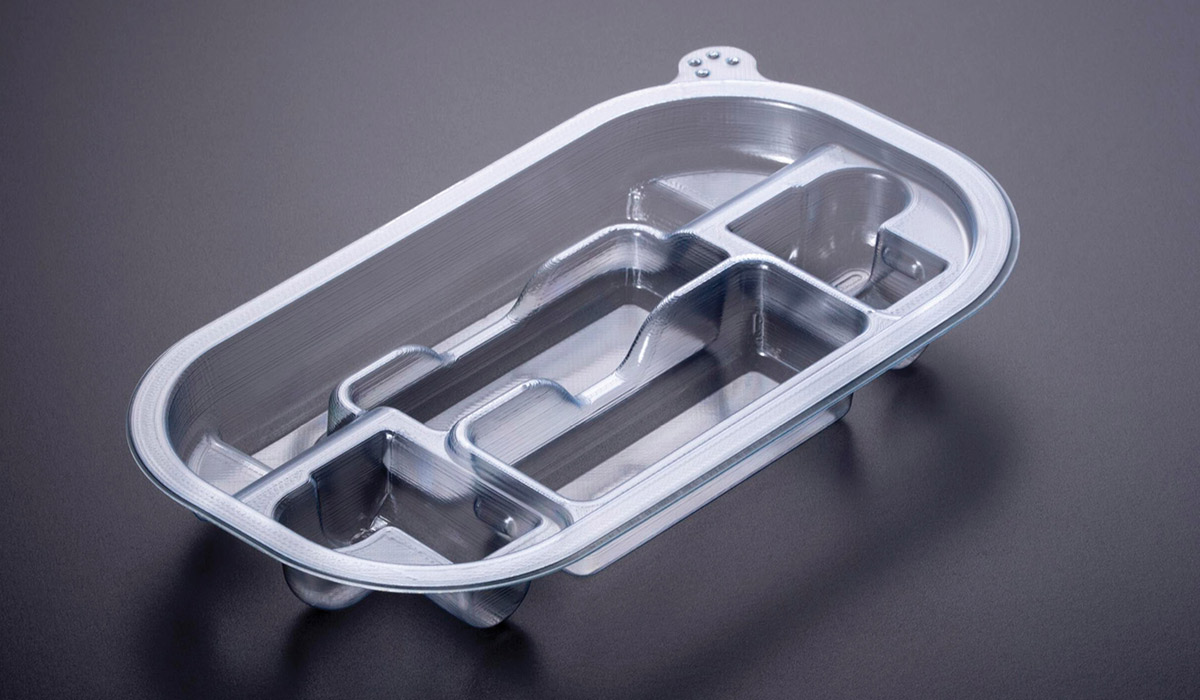
Its performance can be further enhanced through blending, multilayer construction or coatings. For example, a multilayer film can combine the toughness of PC with the weatherability of another polymer. This allows manufacturers to tailor performance for specific end uses without sacrificing the advantages of PC.
Compared with nonpolymeric materials, PC also offers a compelling balance of properties. Metals can provide strength but may dent, corrode or add weight. Wood lacks flame resistance and long-term durability in demanding environments. Ceramics may offer hardness, but not the same combination of toughness and transparency.
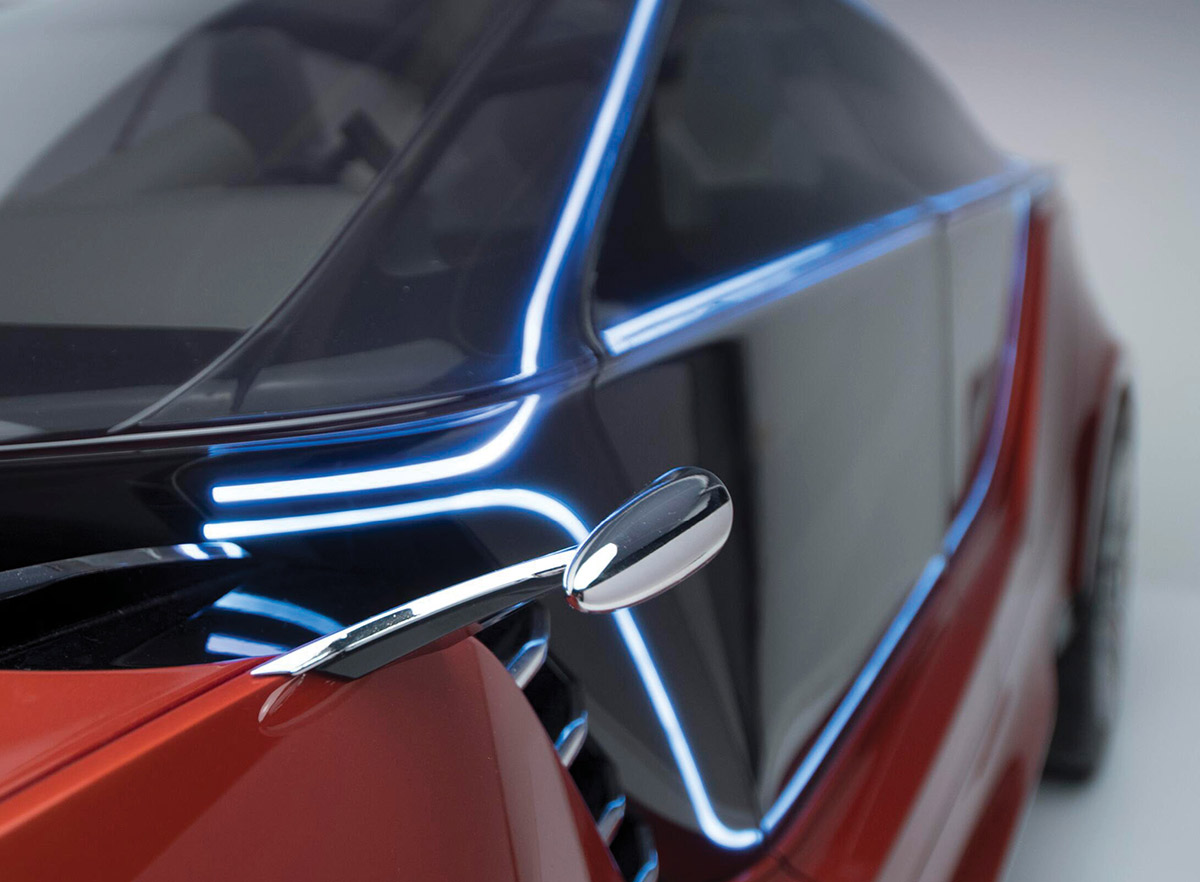
Mobility electrification
PC film has long been used in automotive display panels, and its role is expanding in both vehicle interiors and exteriors. It supports lighting designs, front-end styling and components related to battery and electrical systems.
Biotech and biomedical technology
PC film is useful in thermoformed packaging for biomedical products because it combines clarity, toughness and sterilization resistance. It is also used for durable graphics and labels on medical and analytical equipment, as well as in substrates for diagnostic and microfluidic applications.
Microelectronics
PC can be used in covers, windows and guards for semiconductor and electronics equipment. It can also be formulated to manage electrostatic discharge, broadening its value in sensitive environments.
Security and durable graphics
Because of its toughness and transparency, PC film is used in glazing and security-related applications. It is also a strong option for outdoor signage, control panels and graphics that must withstand demanding service conditions.