

by Autumn Werner, SIMONA AMERICA Group
ustainability is a term that can carry a variety of meanings depending on the topic at hand. In some cases, it is the conservation of economics; others, its sole focus is the environment. In the plastics industry I believe the best way to define sustainability is as the concept of meeting and maintaining the needs of current and future generations by consciously and effectively contributing to environmental, economic and social welfare. This concept encompasses the true meaning of sustainability by including all aspects of fundamental ESG initiatives with economics, in this case, being synonymous with corporate governance, such as investing.
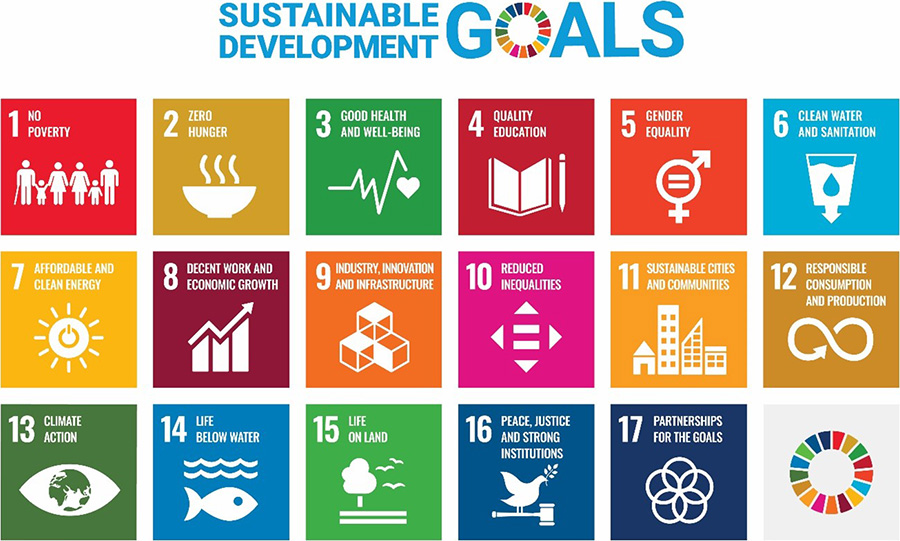
Although sustainability feels like a new topic to many, the concept can be traced back through history, whether in studying Thomas Malthus’ An Essay on the Principle of Population in 1798 or by the National Environmental Policy Act in 1969 which put sustainability at the forefront of federal focus. This topic began its role as a worldwide discussion in the 1980s as the World Bank investigated population growth and its economic impact and the United Nations began to study the link of growth and the environment. By 1992 the United Nations Environment Program published its first statement on sustainable development. It is through this history that the United Nations has based the 17 Sustainable Development Goals.
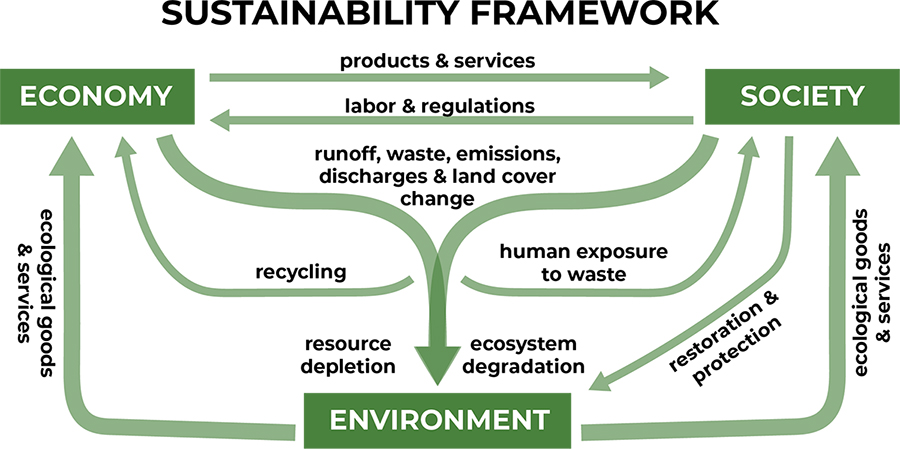
These icons put forth by the United Nations are simplistic in nature emphasize that sustainability, although consisting of many moving parts has a very simplistic end goal. Concepts such good health and well-being, decent work and economic growth, and clean water and sanitation are small asks in terms of pursuing a more sustainable world. These 17 sustainable development goals are not only goals that cover the three main pillars of sustainability; economic, environment, and social, but are also all integrated within each other. In order to have sustainable cities and communities there must be affordable and clean energy. For decent work and economic growth there must be good health and well-being amongst the employees. These interwoven goals ultimately are the building blocks for what it takes to be fully sustainable.
As our industry embraces sustainability we can see companies open up their policies and further define their mission statements to encompass a truly sustainable statement. The 17 sustainable development goals can act as guiding principles for creating a sustainable approach to business. Businesses can use a multitude of organizations to help guide their journey to achieve these goals.
Organizations, such as Science Based Targets initiative, can help act as a guide to reduce carbon emissions and help your company work toward climate action. Understanding your business at a holistic level and knowing where you stand are the first steps to a sustainable approach. Calculating greenhouse gas emissions and learning your company’s carbon footprint can be intimidating to start but with the guiding goals of the United Nations and the plethora of organizations at your disposal, wanting change is really the first step to success.
Sustainability is a unique aspect of business in that it is not a competition. Sustainability works best when multiple parties work together to meet their goals. Within our industry we are seeing more groups and committees such as IAPD’s Environmental Committee or the Vinyl Sustainability Council uniting all parts of a business to grow the conversation on sustainability. Having these open conversations helps all companies move in the same direction. These groups and committees create a starting point for educating the industry on how to move forward in sustainability. They also act as constant source of standardization within the industry which will push all companies to succeed together.
“Sustainability is a unique aspect of business in that it is not a competition. Sustainability works best when multiple parties work together to meet their goals.”
Discussing sustainability is the first step toward a sustainable future. Before change can happen, a business must understand where to start. The United Nation’s goals can help guide a plan of action to a sustainable approach. Learning where your carbon footprint currently is will help to identify your starting point to begin decreasing your overall environmental impact. Industry, innovation and infrastructure can accelerate research and development as companies begin to expand on energy efficient processes and recycled grade or bio-based products. Sustainability is not only a necessity for creating a long-standing future in plastics but also a guiding principle in how the industry can further advance and expand the industry.