

The Benefits of Performance Plastics Compared With Other Engineering Materials
n the early days of the plastics industry, polymers were generally considered low-cost, low-quality alternatives to metals, wood products and ceramics. During the past 40 years, however, plastics technology has advanced dramatically. Today, plastics provide significant performance advantages over other classes of materials in many demanding applications.
The purpose of this article is to highlight key benefits of plastics compared with other materials. These advantages can serve as discussion points as IAPD members educate customers, develop new applications and expand the market for plastic materials.
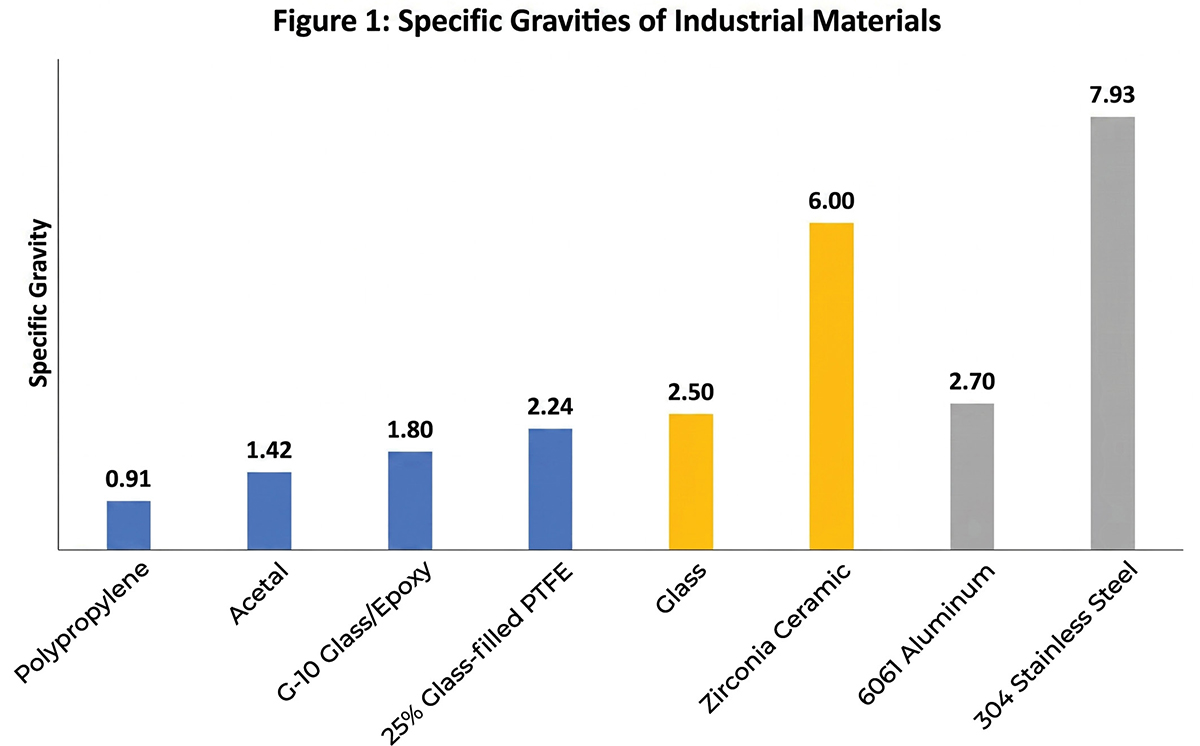
Performance plastics such as high-molecular-weight polyethylenes maintain ductility even at cold winter temperatures. That is why they are specified for applications such as truck bed liners and animal feed troughs. High-performance polymers such as PEEK and polyimide maintain ductility at cryogenic temperatures below minus 150 degrees Celsius. This makes them suitable for cryogenic bearings and seals.

Materials such as nylon, acetal, PTFE and PEEK are used for sealing applications, including valve seats and gaskets. They are soft enough to form seals against metal while remaining stiff enough to prevent leak paths for pressurized fluids.
In contrast, metal-on-metal contact typically requires external lubrication. This may be undesirable in industries such as food processing, pharmaceuticals, aerospace and semiconductor manufacturing. Unlubricated metal contact can result in severe wear known as galling.
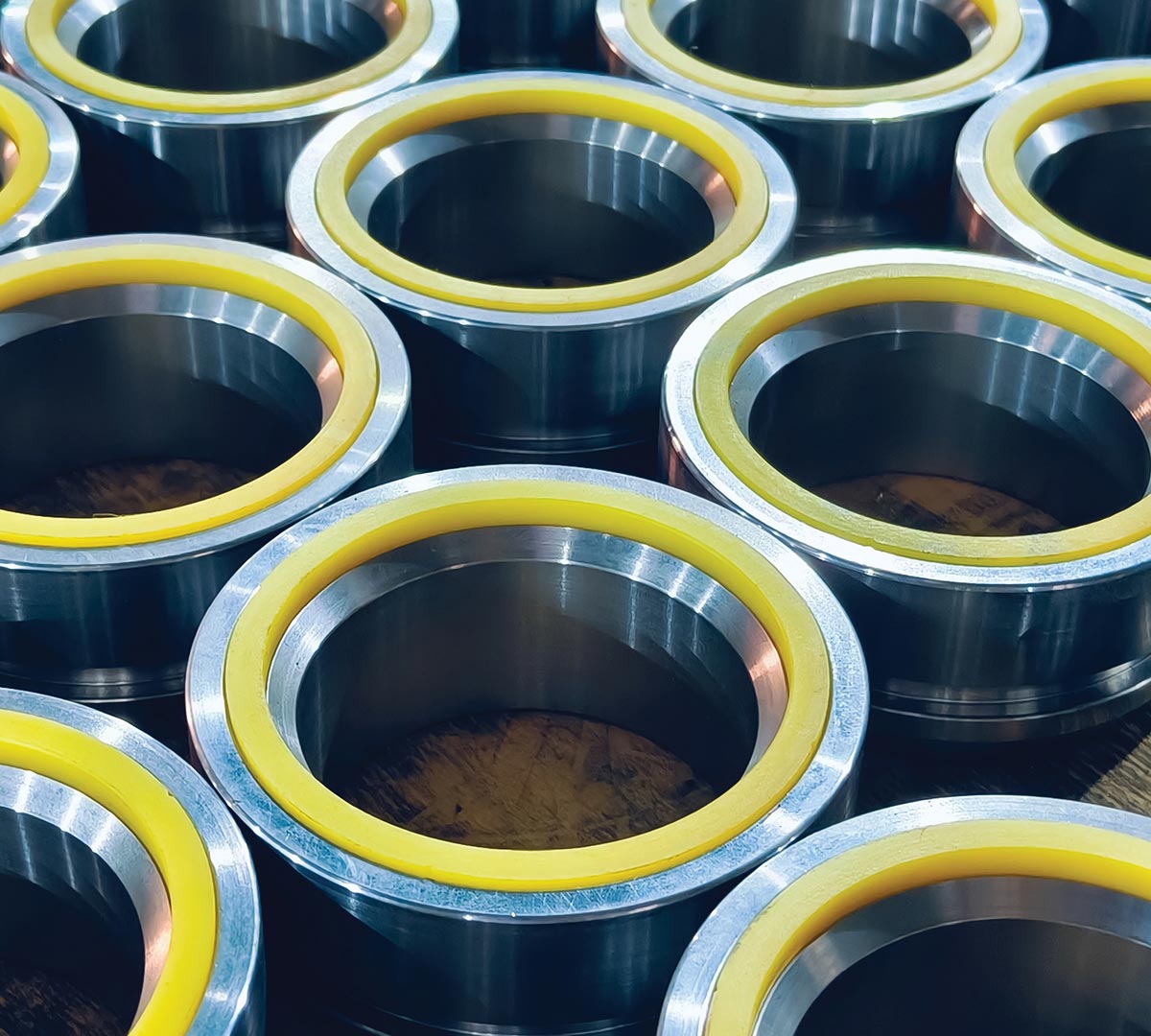
Performance plastics such as PTFE, polyethylene and polycarbonate are also transparent to radio frequency, or RF, signals because of their low dielectric constants and dissipation factors. This allows them to be used as radomes to protect antennas without significantly attenuating RF transmissions.
Plastics vs. ceramics: Plastics are lightweight, durable, and easier to machine and mold into complex shapes.
Plastics vs. wood products: Plastics resist rot and moisture-related degradation and do not require coatings to maintain appearance or weatherability.