

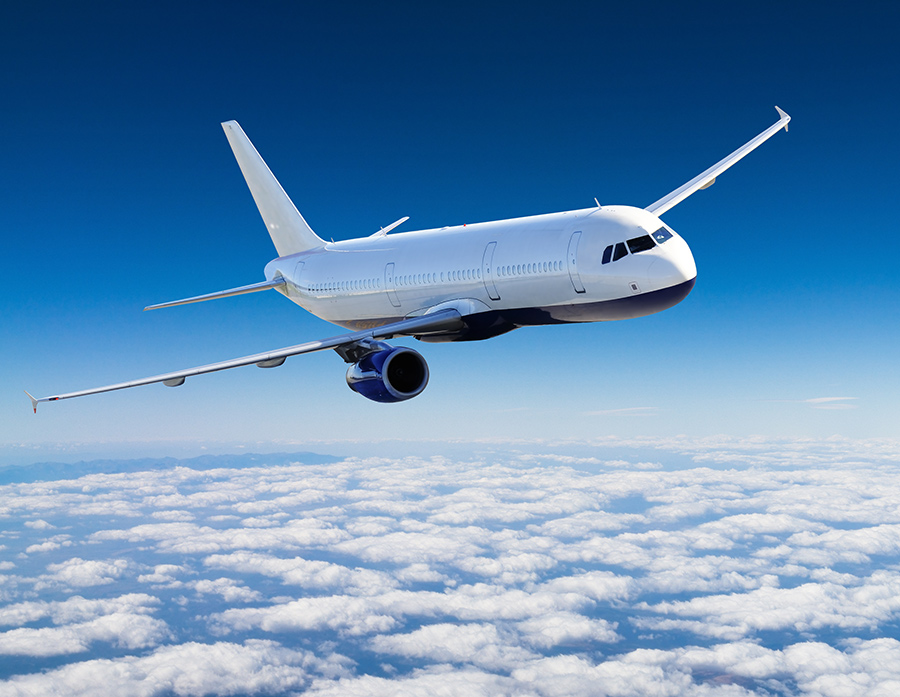
ACRYLITE® is used in a wide variety of commercial, military and rotary wing applications in monolithic or laminated form.
Roehm America LLC presented large stretched ACRYLITE® sheets and other aviation materials at the 54th Paris Air Show.
“Glazing for aircraft was one of the first applications for cast acrylic glass sheets once ACRYLITE® was registered as a brand 60 years ago,” says Florian Laub, head of the transportation market segment at Roehm America LLC. “Since then, we have developed a high-performance portfolio of special products for the aviation industry; all of which meet the stringent requirements of the respective applications.”
Cast and stretched polymethyl methacrylate (PMMA) in the ACRYLITE® brand has been used for cabin windows and cockpit windshields in airplanes and helicopters for many decades now because of its excellent optical quality, low weight and tight thickness tolerances. On top of this, Roehm America LLC also presented an innovation at the Paris Air Show: A special feature for aviation materials that does not require coloring, yet still absorbs ultraviolet and infrared light. This provides aircraft passengers with a higher level of protection and reduces heat accumulation in the cabin, which, in turn, conserves the energy required for air conditioning.
Materials for aircraft construction must satisfy the highest quality demands and be extremely strong. Compared to cast PMMA sheets, stretched PMMA sheets have improved impact resistance and increased chemical resistance. Stretched ACRYLITE® from Roehm America LLC is certified in European and United States’ standards and is available in thicknesses up to 28 mm and sizes up to 4000 mm × 3000 mm.
“Large formats satisfy the trend toward larger aircraft windows, while allowing for efficient production processes at the same time, as a greater number of windows can be produced from a single sheet,” Laub adds. Thus, these XXL formats contribute to resource-saving aircraft construction. A further advantage is that scratches in the material can be easily sanded and polished, which in turn extends the service life of the sheets in the respective use case. www.acrylite.co

Rutherford needed a material solution that could withstand repeated impacts, protect internal systems from damage and keep the robot lightweight so it could compete within its designated weight class. He selected a 1/16″ sheet of UHMW for the machine’s armor.
UHMW is lightweight compared to steel alternatives and has high resistance to wear and abrasion, making it a strong choice for the robot’s armor. Unlike steel armor, which does not absorb impacts well and will not stop the robot from moving when hit, UHMW armor can absorb the impact of an opponent’s blades.
Rutherford found UHMW to be easy to fabricate and form into the right shape for his combat robot. Rutherford plans to enter his UHMW-protected robot into local tournaments and competitions. www.interstateam.com
ACRYLITE® used to preserve Vietnam War history and honor veterans
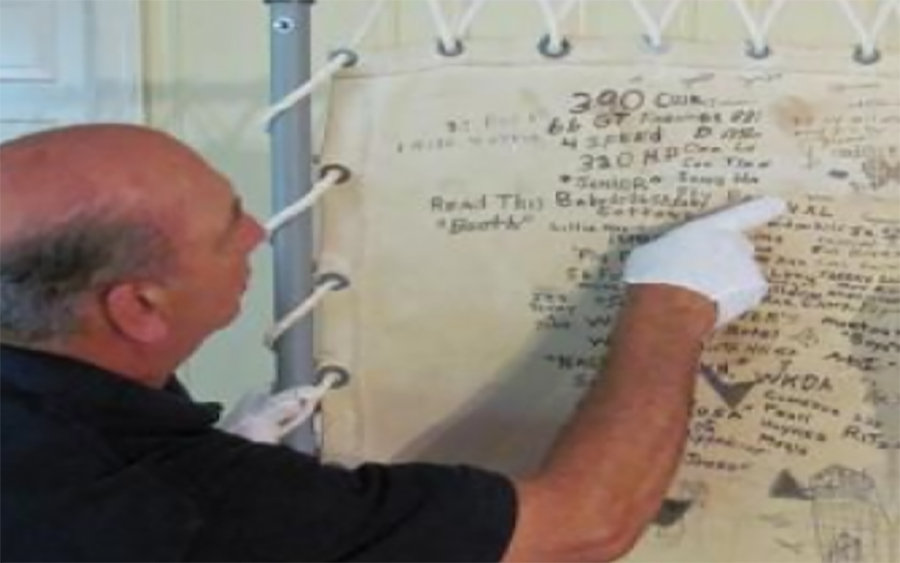
“Marking Time: Voyage to Vietnam” is protected with ACRYLITE® OP3 MR acrylic sheets.
“ACRYLITE® was the perfect solution because it protects the canvas from harmful UV light as well as from exhibit traffic without sacrificing the ability to see each and every detail of the graffiti,” said Lee Beltrone. “The acrylic also adds dimension to the wall displays and calls attention to the canvases.”
ACRYLITE® OP3 MR acrylic sheets were selected to protect the artifacts because of its UV filtering characteristics. It filters out approximately 98% of the UV light, protecting the bunk canvases from yellowing, fading or becoming brittle.
It is also resistant to scratching and chemicals, which are important considerations for a highly trafficked exhibit. The Beltrone’s can easily clean the sheet with common household cleaners without worrying about harming the surface. Since the exhibit travels across the country, the extreme durability and light weight characteristics of this sheet are also beneficial in preventing damages and to help cut shipping costs. www.acrylite.co
Exolon Group Inc. polycarbonate sheets used inside solar racecar
Team Sonnenwagen Aachen, a group of students from Rhine-Westphalia Technical University of Aachen and FH Aachen University of Applied Sciences in Aachen, Germany, are designing and building a lightweight, highly efficient racecar fully powered by the sun. Exolon Group Inc. is supporting the team of students by providing polycarbonate sheets to be used in the production of the battery cell holder.
For maximum efficiency, the battery cell holder needs to be as small as possible, lightweight, electrically insulated and flame-retardant. The 10 mm thick polycarbonate sheets supplied by Exolon Group Inc. meet all the design needs. While the lightweight, flame-retardant sheets will not be visible from the outside, the sheets play a vital role in the heart of the vehicle, holding and protecting the specially developed battery pack.
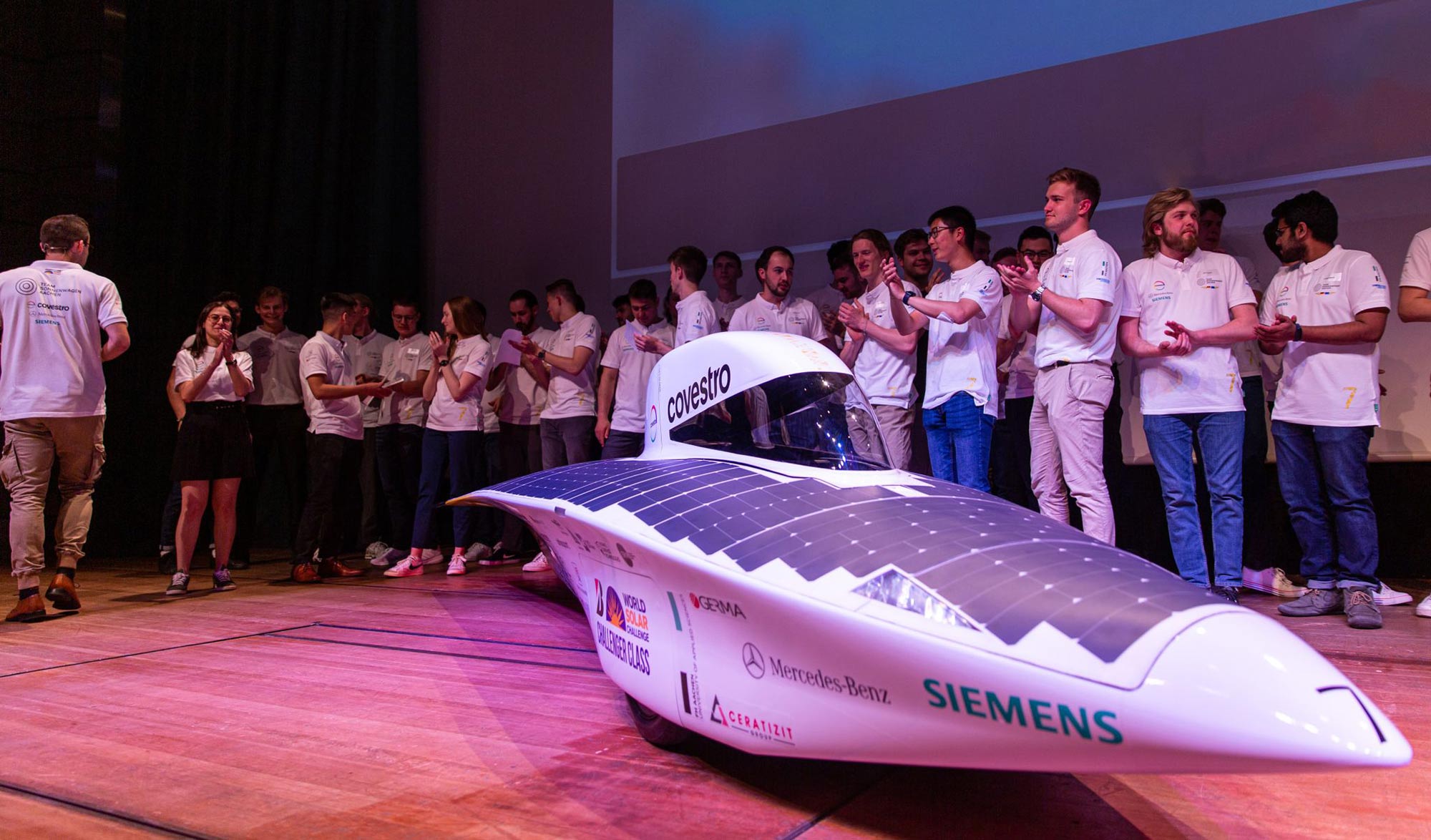
The car, named Covestro Adélie, is the fourth iteration of a solar powered car created by Team Sonnenwagen Aachen. The car shape and name are inspired by the adélie penguin, one of the most aerodynamic animals in the world.
The racecar will compete in Bridgestone World Solar Challenge 2023, a prestigious competition for vehicles powered solely by the sun. In the challenge, the students must travel 3,000 km/1,864.114 m through the Australian Outback from Darwin to Adelaide. The competition will be held October 22-29, 2023. www.exolongroup.com