

Showcase
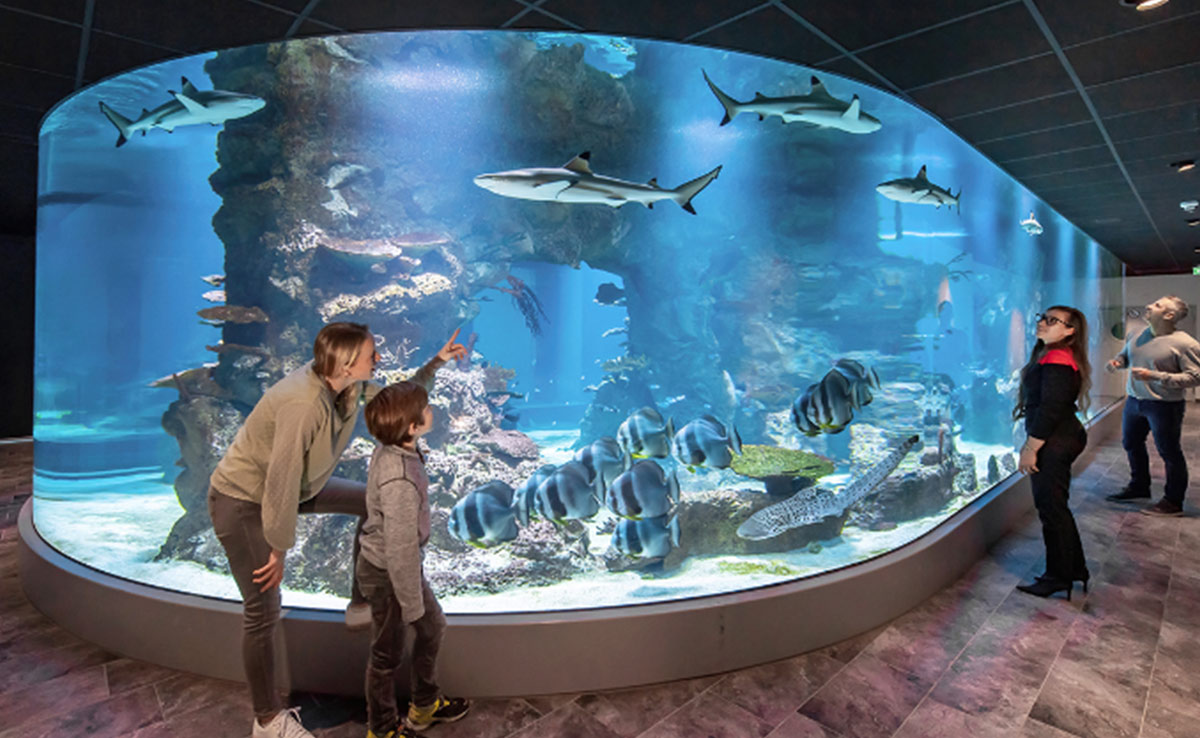
The aquarium’s design presented unique challenges, requiring a seamless panoramic view without visible joints or supporting structures. This was achieved using enormous single blocks of ACRYLITE® acrylic, with the largest piece measuring 32 feet in length and nearly 9 feet in height. The acrylic panels were precisely bonded to create invisible, yet strong seams.
The ACRYLITE® blocks featured in this application measured a six-inch thickness, providing the necessary structural integrity to withstand the immense pressure of the water. The material’s UV stabilization ensures long-term clarity, maintaining the aquarium’s visual appeal for years to come. Additionally, ACRYLITE® block’s resistance to yellowing preserves the crystal-clear view of the underwater environment, even after prolonged exposure to light and water.
The installation process required partial removal of the building’s glass facade to accommodate the largest components, demonstrating the scale and complexity of the project. www.acrylite.co
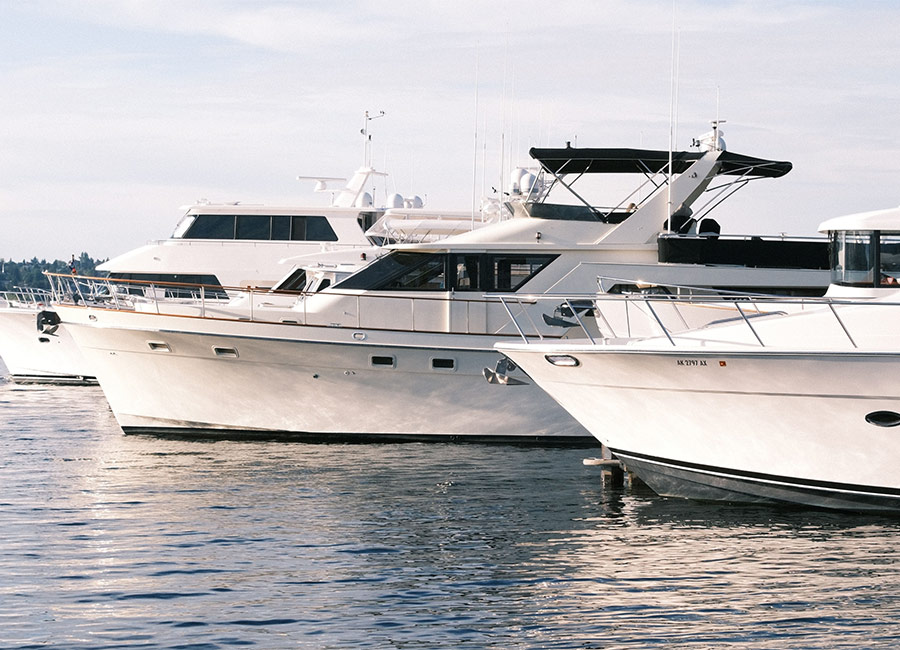
TUFFAK® Marine 5 is designed as an alternative material solution for boat windshields. This polycarbonate sheet features two-sided hard coat protection against abrasion, UV rays and chemical damage. It offers low optical distortion and clear views, essential for visibility on the water.
TUFFAK® VR is a thinner, more flexible alternative to Marine 5, suited for rolled or sewn applications. It resists yellowing and maintains clarity in various weather conditions.
SEABOARD® HDPE is ideal for boat hatches and covers, this material doesn’t rust, corrode, rot, delaminate or splinter. It’s scratch-resistant and UV-resistant, maintaining appearance and functionality over time.
SEABOARD PVC, STREAMLITE and ENDURABOND are all foamed PVC sheets serve as excellent replacements for wood in seat cushion backings, consoles and instrument panels. They offer moisture resistance, good screw and staple retention and lightweight durability.
Compared to traditional materials, performance plastics offer increased weather resistance, reduced maintenance and a longer lifespan.
By incorporating these advanced materials, boat owners can spend less time on maintenance and more time enjoying the water.
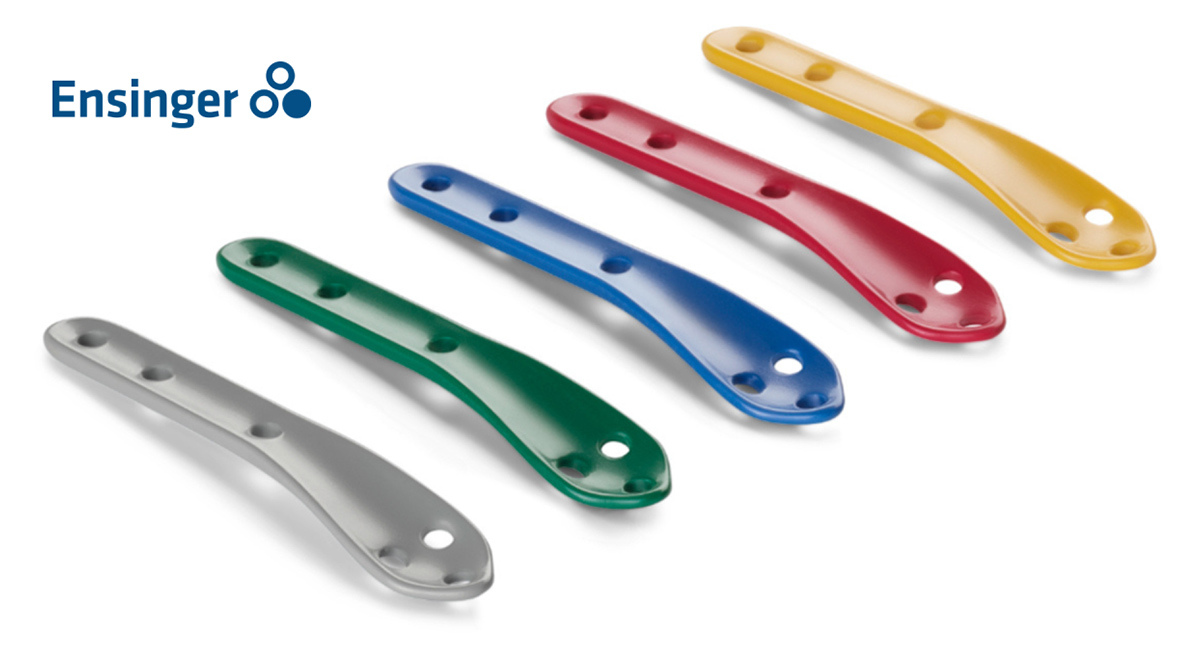
The 3D printed trial bones are up to 40% lighter than metal counterparts, improving handling and transportability. The flexibility of the high-performance plastics is also better suited for various fracture types, enhancing plate selection accuracy, further easier fit checking is achieved through X-ray imaging made possible by the material’s radiolucency.
The trial bone plates have been tested according to ISO 10993 standards for up to 24-hour contact with skin, tissue, and indirect blood contact and resterilizability enables multiple uses, reducing treatment costs. www.ensingerplastics.com