

A Path Forward
ver the past few decades, many manufacturing operations, including tool and die making, have been outsourced to countries with lower labor costs, such as China, India and Mexico. This shift was driven by the desire to reduce production costs and maximize profits. As a result, the domestic tool making industry in the United States has shrunk significantly. Tool making is a critical early step to making a component or product a reality. This lack of domestic tooling causes the United States to rely on overseas services to produce most new components. Without the support of foreign tool makers, the domestic production supply chain lacks the ability to create new products or innovate old ones.
This change in the marketplace leaves a technical void where inexperienced machinists do not have enough experience with manual machining principals while the more experienced machinists struggle to adapt to the software or retire before addressing the need. This is a great opportunity to safely train high school-level students in sought after software like SolidWorks and Mastercam and provide practical skills in production and design along the way. These skills even translate well to 3D printing, allowing a student to design and produce components on their own from their home or classroom. The principles and skills learned here can be translated directly to traditional machine shop courses offered at technical colleges where they can combine their knowledge of CAD/CAM software with hands-on machining experience.
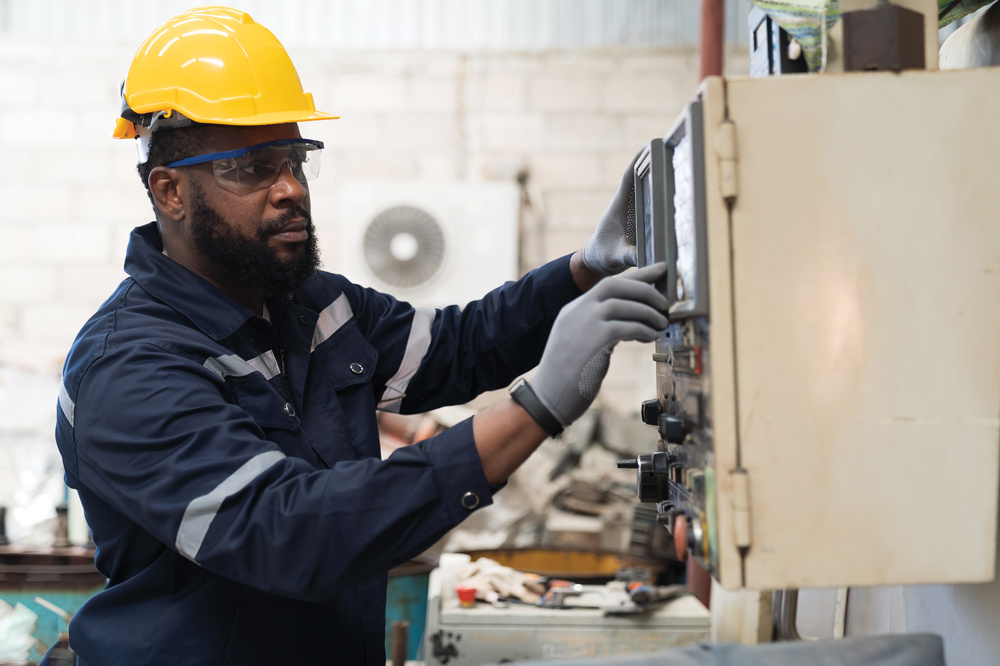
Incorporating CAD/CAM software training into high school curriculums can provide students with valuable skills that are in high demand in the manufacturing industry. This can be achieved through partnerships between schools and local businesses, where students can gain hands-on experience and see the real-world applications of their studies. Additionally, technical colleges can offer specialized programs that focus on tool making and other manufacturing skills, providing a direct pathway for students to enter the workforce.
By embracing these technological advancements, the United States can enhance its tool making capabilities despite a gap in the workforce and ultimately reduce reliance on foreign manufacturers. Investing in state-of-the-art equipment and software, along with training programs to ensure workers are proficient in using these tools, is crucial. This will not only improve the quality of domestically produced tools but also increase the lead times of United States manufacturers in the global market.
To mitigate these risks, the United States must invest in building a resilient supply chain for tool making and other manufacturing sectors. This includes developing local sources for raw materials, fostering collaboration between manufacturers and implementing advanced logistics and inventory management systems. By strengthening the domestic supply chain, the United States can ensure a steady supply of essential components and reduce dependency on foreign suppliers.
Additionally, programs using the Department of Defense’s funds could promote research and development in manufacturing technologies that drive innovation and enhance the competitiveness of US manufacturers. Focusing on automating labor-intensive processes, like mold polishing, could significantly reduce lead times and labor, making the domestic tooling market more competitive globally. Collaborations between government agencies, academic institutions and industry leaders can facilitate the development of cutting-edge technologies and best practices in tool making.
Furthermore, fostering a culture of innovation and continuous improvement is essential. Encouraging companies to invest in research and development, adopt lean manufacturing principles, and implement advanced quality control measures can drive productivity and efficiency. By staying at the forefront of technological advancements and industry best practices, the US tool making industry can regain its competitive edge.
By investing in the future of the tool making industry, we can create a well-compensated skilled workforce, enhance the competitiveness of US manufacturers, and ensure a robust and resilient domestic supply chain that supports its defense strategy. The path forward requires a proactive collaboration between educational institutions, businesses, and government agencies to build a sustainable and thriving tool making industry in the United States.
In conclusion, revitalizing the tool making industry is not just about preserving a critical sector of the economy but also about securing the US’s position as a world leader and superpower. By taking proactive measures and investing in the necessary resources, we can create a strong foundation for innovation, growth, and economic prosperity. The journey may be challenging, but the rewards of a revitalized tool making industry will be well worth the effort and kick off a new industrial revolution.