

2024 UN progress report revealed that the world is significantly behind in meeting the SDGs. The COVID-19 pandemic and political instability in many regions have derailed progress. In hindsight, the initiative may have benefited from starting with a single focus area and providing a framework that encouraged broad, actionable commitments from member countries.
One positive development emerging from the SDGs is the increased collaboration between governments and markets on circular economy frameworks. This approach aligns with Goal 12: Responsible Consumption and Production. A closed-loop production system—reducing material use, redesigning products for resource efficiency, and recycling waste into new materials—embodies the principles of “reduce, reuse, recycle.”
The circular economy presents an ideal entry point for collective action, encouraging innovation while reducing greenhouse gas emissions and diverting waste from landfills.
One of the greatest challenges to a circular economy is the collection and sorting of clean, less complex materials. Many consumer products contain multiple resins, and there are currently no universal standards for production. Consider the common water bottle: it may be made from polyethylene terephthalate (PET) or high-density polyethylene (HDPE), with a cap made from polypropylene. These materials require different recycling processes. For effective recycling in a closed-loop system, caps must be removed, as the differing resins melt at different temperatures and have unique characteristics.
The healthcare market introduces further complexity. According to the World Health Organization, there are more than two million types of medical devices in use today. These devices support health through prevention, diagnosis and treatment, and are used in hospitals, clinics, doctors’ offices and homes.
Healthcare waste falls into two categories: biohazardous and non-hazardous. Approximately 85% is non-hazardous and the primary focus of recycling efforts. Biohazardous waste, which poses risks due to contamination, is typically incinerated.
For non-hazardous waste, stakeholders across the healthcare supply chain are pursuing improvements using reduce, reuse and recycle principles. Original equipment manufacturers (OEMs) are working with resin and contract manufacturers to reduce environmental impact. In packaging and logistics, companies are reusing plastic pallets, cores, and retainers, and combining shipments of new materials with reusable components. Though the industry is risk-averse, OEMs are beginning to design products that include recycled content. To ensure safety, suppliers maintain detailed traceability for scrap materials generated during manufacturing.
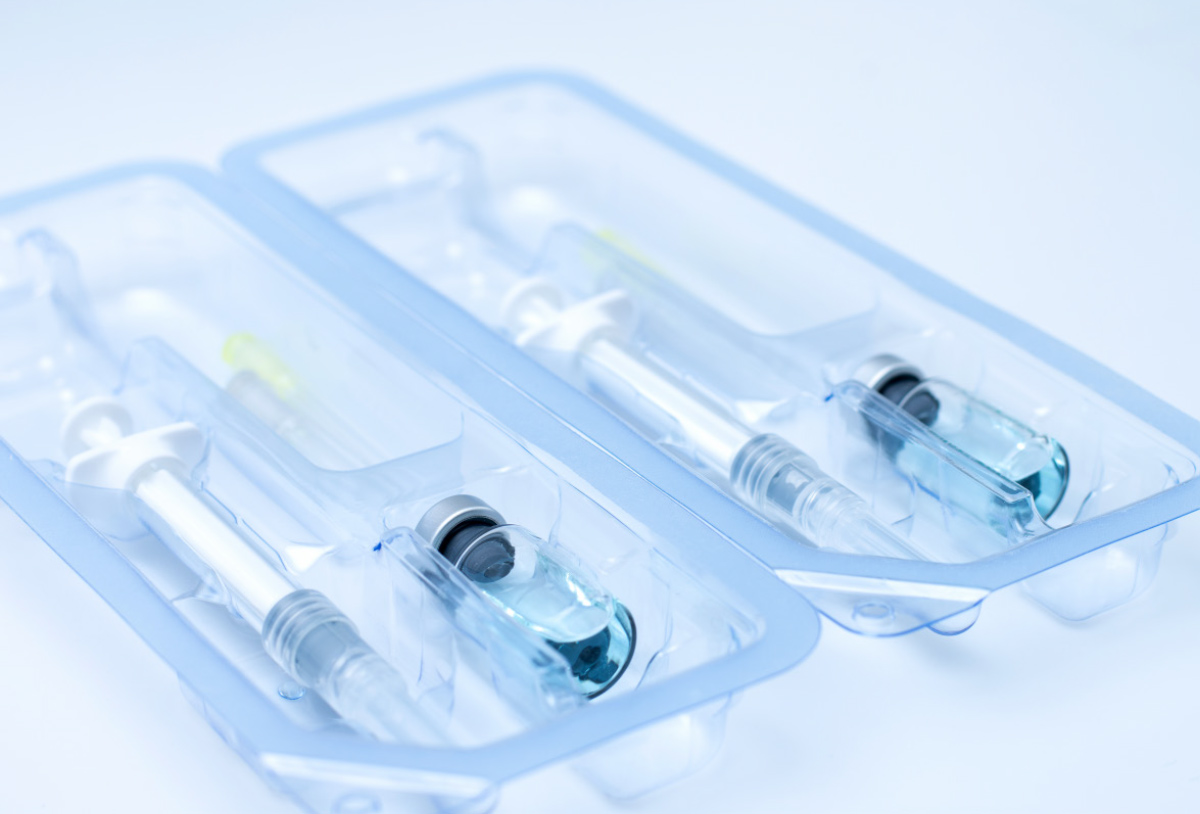
Packaging generates the most waste in healthcare. It serves two main purposes: protecting devices during shipment and maintaining sterile conditions. Polyethylene terephthalate glycol (PETG) is widely used for packaging due to its compatibility with various sterilization methods. However, PETG is difficult to recycle because the glycol component cannot be processed by most municipal recycling programs.
Globally, hospitals produce the majority of healthcare packaging waste. With growing pressure to cut costs, hospitals often underfund staff and infrastructure for waste management. That may change soon. The European Union’s Packaging and Packaging Waste Regulation (PPWR) mandates packaging waste reductions of 5% by 2030, 10% by 2035 and 15% by 2040 (compared to 2018 levels). Non-compliance carries penalties, and hospitals — major consumers of medical devices — will bear much of the burden. As a result, OEMs are investing in research and development of more sustainable packaging.
One promising option is qualifying amorphous PET (APET) as a packaging material. APET aligns with the 2030 regulatory targets and offers a more sustainable solution that supports global environmental goals.