

Showcase
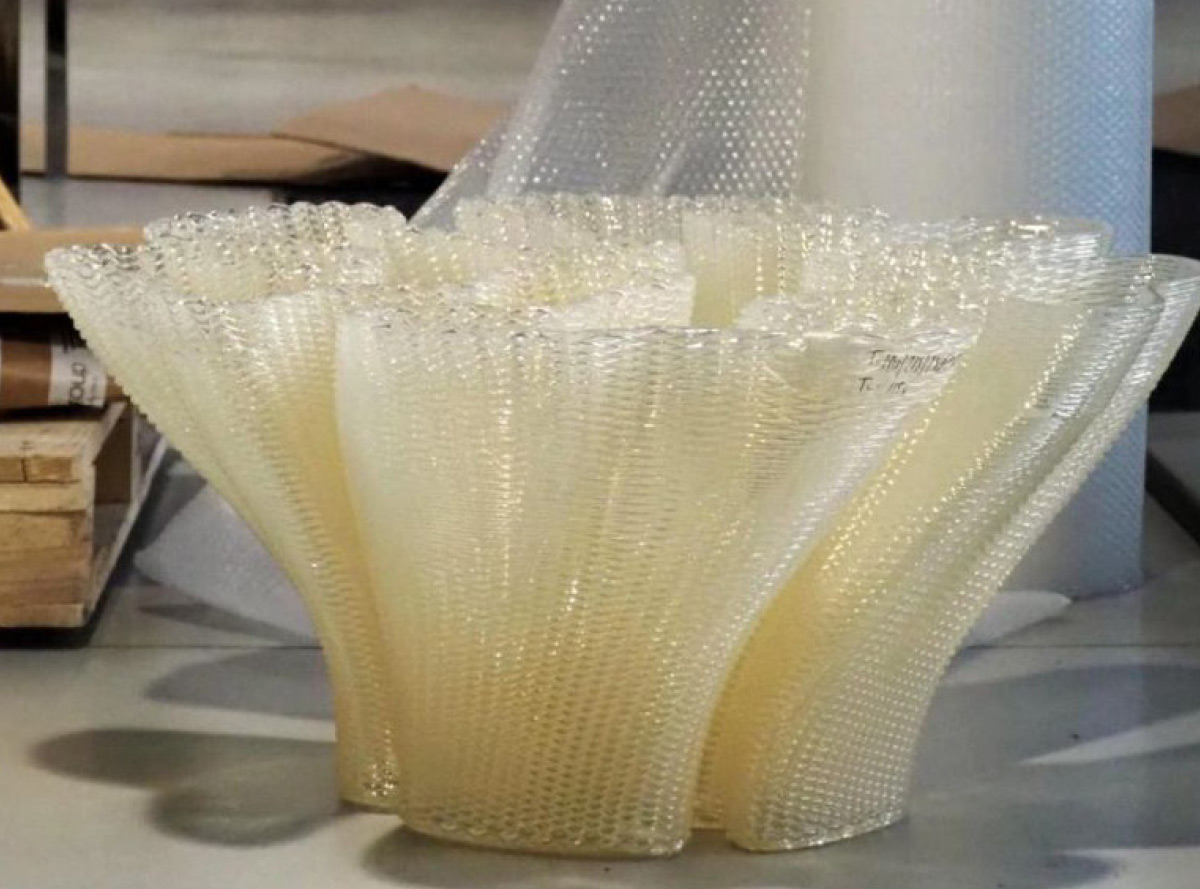
What makes Nomura particularly compelling is the material choice: with more than 60% biobased content derived from castor beans, Rilsan Clear offers a significantly lower-carbon-footprint alternative to traditional fossil-based plastics, aligning durability with sustainability. The project uses large-format additive manufacturing (not filament) and recycles waste plastic (e.g., from used eyewear frames), regrinding it into high-quality granules for printing.
By demonstrating how performance polymers can go beyond industrial applications into design, furniture and consumer products, Nomura underscores the versatility of modern plastics. www.kynex.com
SEKISUI KYDEX and design partner neomind were recently honored with the RedCabin Railway Interiors Award for Collaboration of the Year for their work on IdeenzugUrban, an innovative next-generation rail interior concept showcased in Hamburg’s S-Bahn. The project highlights how high-performance thermoplastics can enable lighter, more durable and more sustainable railway cabin designs.

The IdeenzugUrban concept aims to inspire engineers and specifiers at the earliest stages of fleet planning, encouraging them to evaluate more sustainable materials and design methods. By incorporating thermoplastic components from the outset, the project demonstrates how performance plastics can contribute to cohesive, visually appealing and passenger-friendly interiors while maintaining structural integrity and lifecycle value.
This award-winning concept underscores the role of material innovation in shaping the future of rail transportation and showcases the potential of advanced thermoplastics to support evolving expectations around sustainability, accessibility and passenger experience. www.kydex.com
Several Kentucky wineries and distilleries are upgrading their operations with components and structural parts fabricated from high-performance plastics supplied by Cope Plastics, Inc. — a move that is improving durability, chemical resistance and maintenance efficiency in facilities handling liquid, fermentation and aging processes.

Cope Plastics’ broad fabrication capabilities, combined with their ability to deliver cut-to-size stock and custom machined parts, enables these beverage producers to meet strict hygiene, durability and safety standards while optimizing production schedules.
This partnership illustrates the growing role that engineered plastics play beyond traditional industrial applications — offering wineries and distilleries a cost-effective, long-term solution for equipment exposed to corrosive chemicals, heavy wear and constant cleaning. The result: more reliable operations and reduced lifecycle costs for producers. www.copeplastics.com