

Practical Guide to Improving Plastic Dust Collections
Fabrication and Machining
ust collection is often viewed as a secondary system in plastics manufacturing, something that supports production but rarely commands attention until problems arise. In reality, effective dust collection plays a critical role in protecting workers, maintaining regulatory compliance, managing combustible dust risks and sustaining productivity across plastic machining operations.
Plastic dust is generated during cutting, routing, trimming, grinding, sawing and finishing processes. While these particles may appear benign compared to metal or wood dust, they present a unique set of challenges. Fine particulate exposure can impact respiratory health, and accumulated dust can create combustible hazards and increase maintenance costs.
An effective dust collection strategy is not just a safety measure. It is an essential piece of a well-run operation. When properly engineered and maintained, dust collection systems help keep machines running longer, reduce unplanned downtime, improve part quality and create a cleaner, safer work environment. Evaluating these systems through the right lens is essential for plastics processors looking to balance safety, compliance and productivity.

Particle Size and Shape Variability
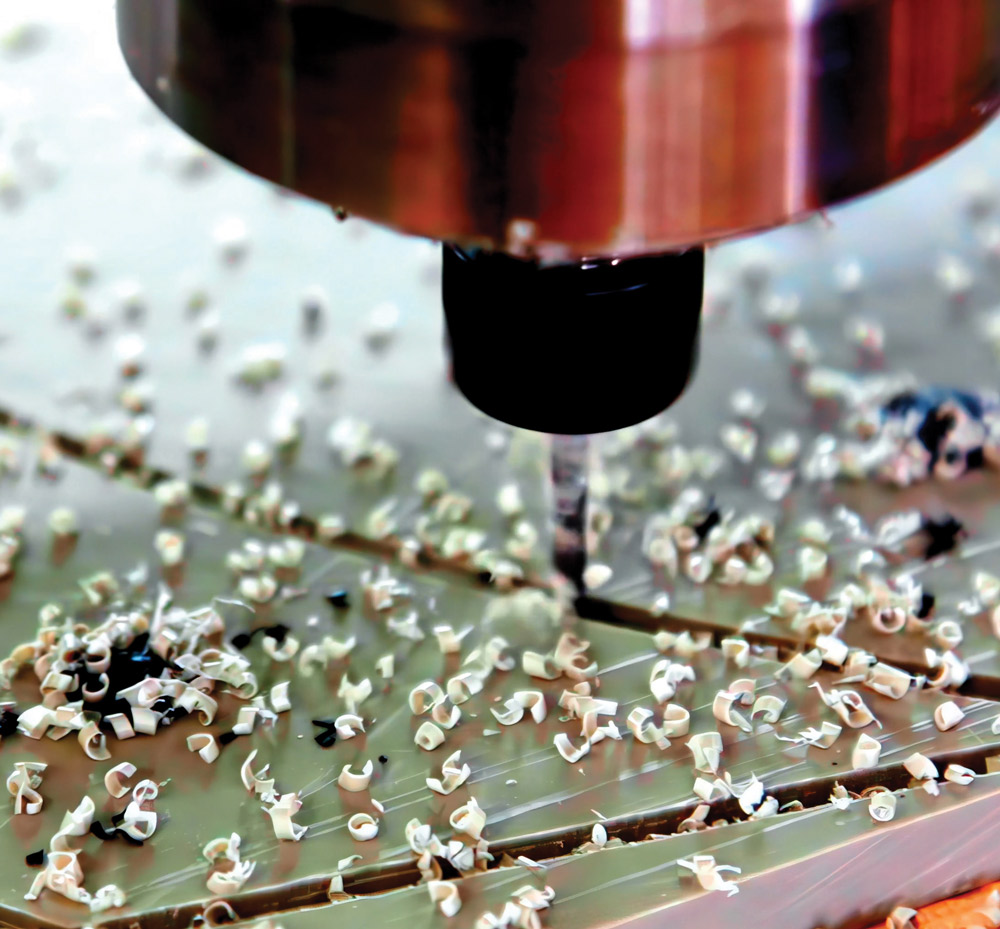
Plastic machining produces a wide range of particle sizes and shapes. Some processes generate fine particulate that behaves more like smoke or powder, while others produce stringy, ribbon-like strands or coarse chips. CNC routing and trimming operations are particularly notorious for producing long, curly shavings that can entangle within ductwork or filter media.
This variability directly impacts how dust behaves once it enters the collection system. Fine particles may remain airborne longer and penetrate deeper into filter media, while stringy material can bridge, mat or wrap around filter pleats.
Oils, Lubricants and Filter Media Saturation
Many plastic machining processes involve lubricants, coolants or release agents. When these substances become airborne and mix with dust, they can create a sticky particulate that adheres to filter surfaces. Cellulose-based filter media, in particular, can struggle in these environments, becoming saturated and weakening or losing permeability over time.
Selecting the Proper Filter Technology
The design of the dust collector and specific filter selection must align with dust characteristics and process parameters. Tightly pleated cartridge filters can be effective for fine, dry dust but may struggle to release stringy plastic particles during pulse cleaning. In these cases, filters that have more open pleats or even a bag-and-cage arrangement may be the best choice.
Evaluating how well filters clean, how often they require replacement and how consistently they maintain airflow is a key indicator of system suitability. A dust collector that looks adequate on paper may perform poorly if the filter technology does not match the application. Keep in mind that operational costs far exceed the initial capital cost of the system, so choosing wisely saves money over the long term.
Conduct a Thorough Dust Hazard Analysis
A dust hazard analysis (DHA) is a systematic evaluation of where combustible dust is generated, how it accumulates and where ignition sources may exist. For plastic machining operations, this includes machinery enclosures, ductwork, dust collectors and secondary areas where fugitive dust may settle. A proper DHA evaluates worst-case scenarios rather than everyday conditions.
Test Your Dust
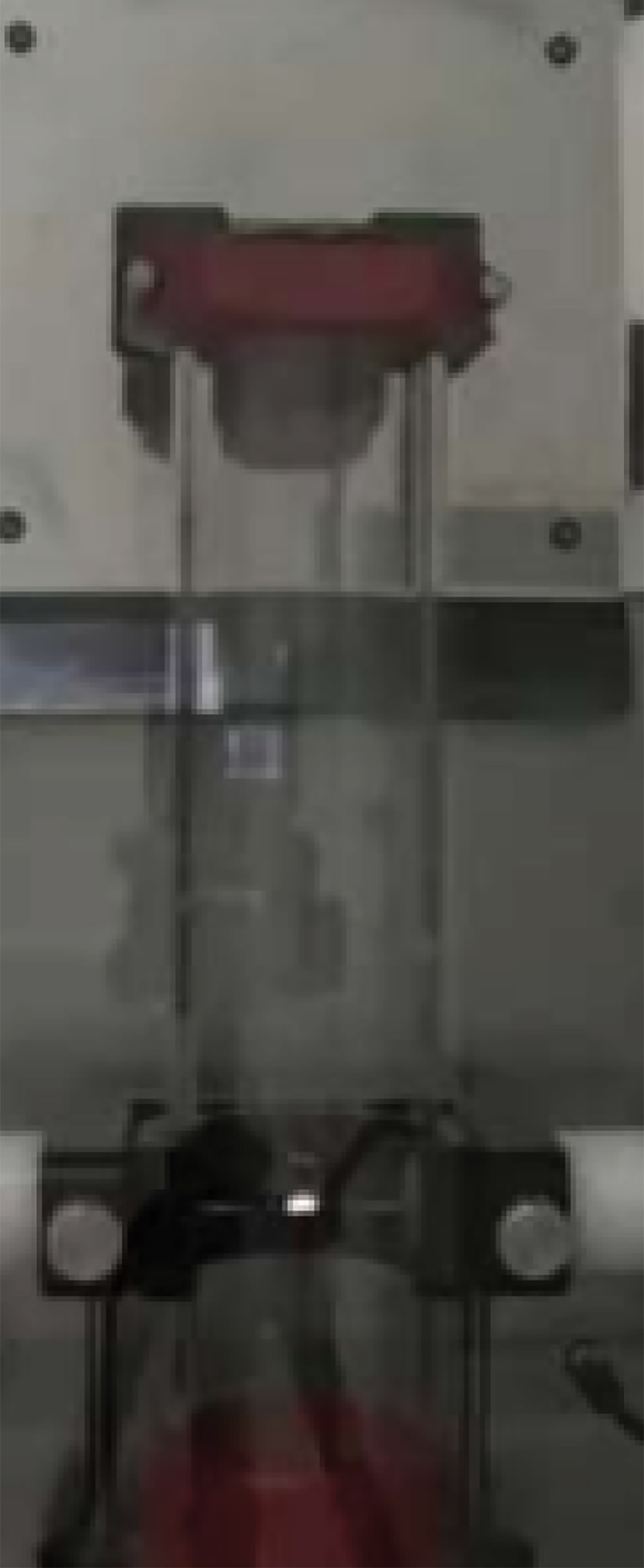
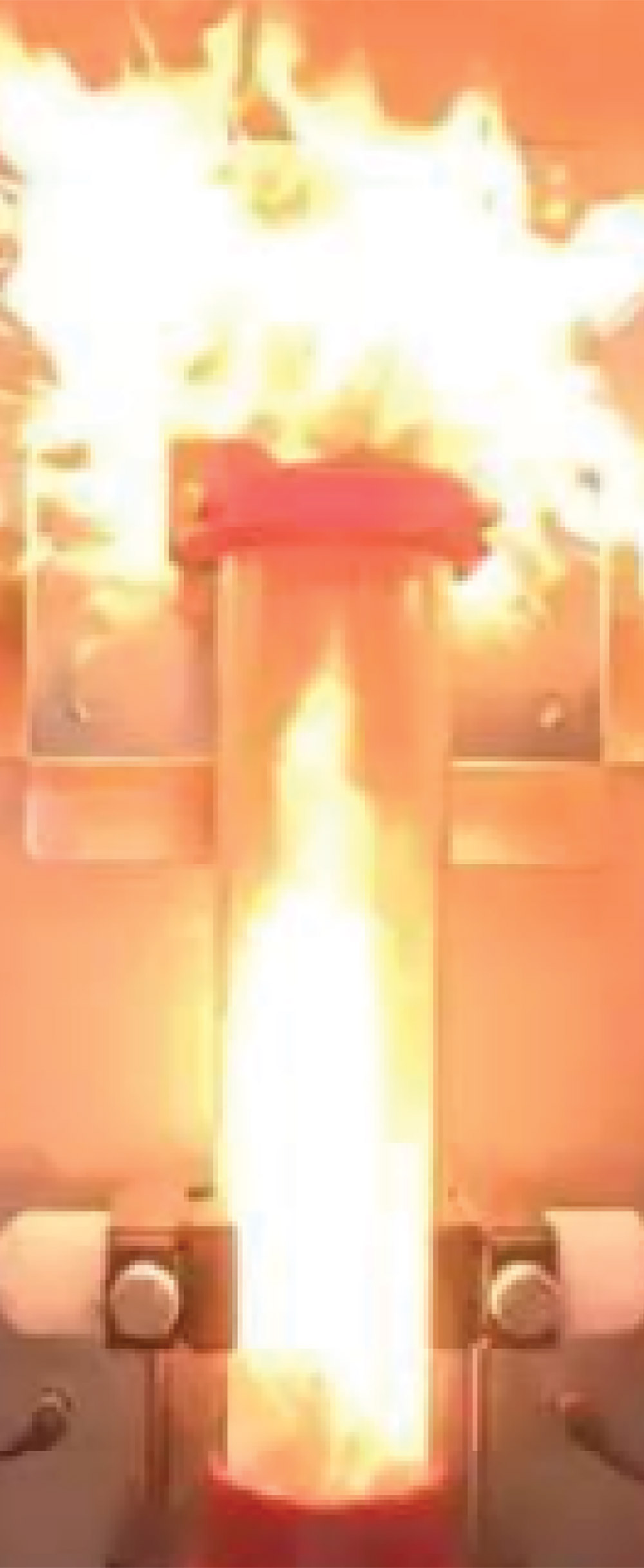
Not all plastic dust behaves the same. Resin type, additives, particle size and moisture content all influence combustibility. Dust testing provides critical data such as minimum ignition energy, explosion severity and deflagration characteristics.
Relying on assumptions or generic material data can be risky. Testing allows engineers and safety professionals to design protection measures, such as venting, suppression or isolation, based on actual hazard levels rather than estimates.
Compliance with NFPA 660
NFPA 660, introduced in December 2024, represents a significant shift in combustible dust regulation. As a consolidated standard, it brings together previously separate industry-specific standards into a unified framework. For plastics processors, this means expectations around hazard identification, risk mitigation and documentation should be clearer than ever before.

Importance of Grounding and Bonding
Grounding of hoods, ductwork, filters and dust collectors is essential in plastic machining environments. Conductive materials should be properly bonded and grounded to dissipate static charges safely.
Minimize flexible ducting (high friction) wherever possible.
Evaluating an existing dust collection system should include a review of grounding continuity and verification that all components are properly bonded. Static control is not a one-time task; it requires regular inspection and maintenance.
Managing Accumulated Dust
Dust that settles on machinery, ledges, cable trays, duct and structural surfaces represents both a health concern and a combustible dust risk. Layers of fine plastic dust can be easily disturbed, creating secondary dust clouds that may be more hazardous than the original source.
An effective dust collection strategy works hand in hand with a housekeeping plan. This includes identifying accumulation points, establishing cleaning frequencies and using appropriate cleaning methods that do not reintroduce dust into the air.
Extending Machine Life and Reducing Downtime
Plastic dust is abrasive and invasive. When it infiltrates machine bearings, linear rails, electrical enclosures or cooling fans, it accelerates wear and increases the likelihood of failures. Over time, poor dust control can shorten equipment life and drive up maintenance costs.
Evaluating dust collection effectiveness should include an honest assessment of how much dust remains in the environment. Cleaner facilities tend to experience fewer mechanical issues and more consistent production output.
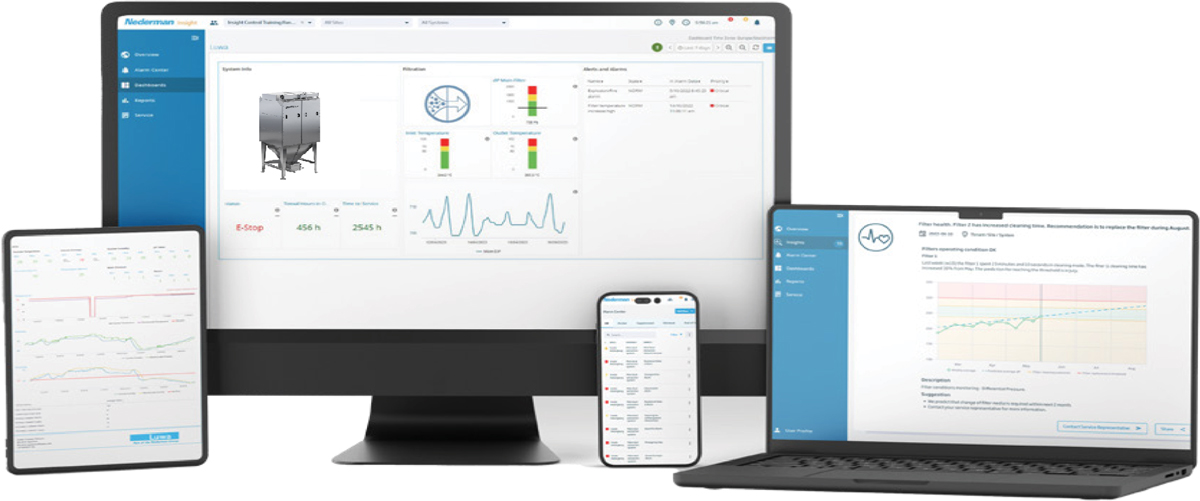
Digital monitoring offers a more efficient approach by tracking key parameters such as filter pressure drop, dust bin level, airflow, particulate matter levels or fan vibration. This visibility allows maintenance activities to shift from fixed schedules to condition-based decisions, reducing manual inspections and helping to maintain consistent dust collection performance. Workers can receive real-time notifications or alarms, and automated performance or generated compliance reports.
Balancing Safety, Compliance and Productivity
Evaluating dust collection systems for plastic machining involves more than checking airflow or filter size. It requires understanding how dust characteristics, combustible dust risk, static control, housekeeping and system monitoring work together in day-to-day operations.
Plastic dust may not look especially hazardous, but poor control can quickly show up as exposure concerns, housekeeping issues, compliance gaps or equipment problems. In many facilities, dust collection issues do not appear as safety events first; they show up as lost productivity or unexpected downtime.
As materials, processes and regulatory expectations continue to change, dust collection systems deserve the same level of attention as other critical plant equipment. Taking a thoughtful, well-informed approach to system evaluation helps ensure dust collection supports safe, reliable and efficient operations over time.
Travis Haynam is vice president, segments, at Nederman, where he leads strategy and product expertise in industrial air filtration, dust collection and clean air technology across manufacturing sectors.
For more information, contact travis.haynam@nederman.com