

ood processing facilities operate with a constant tension between two competing needs: maintaining efficient movement throughout the operation while protecting the controlled environments essential to food safety.
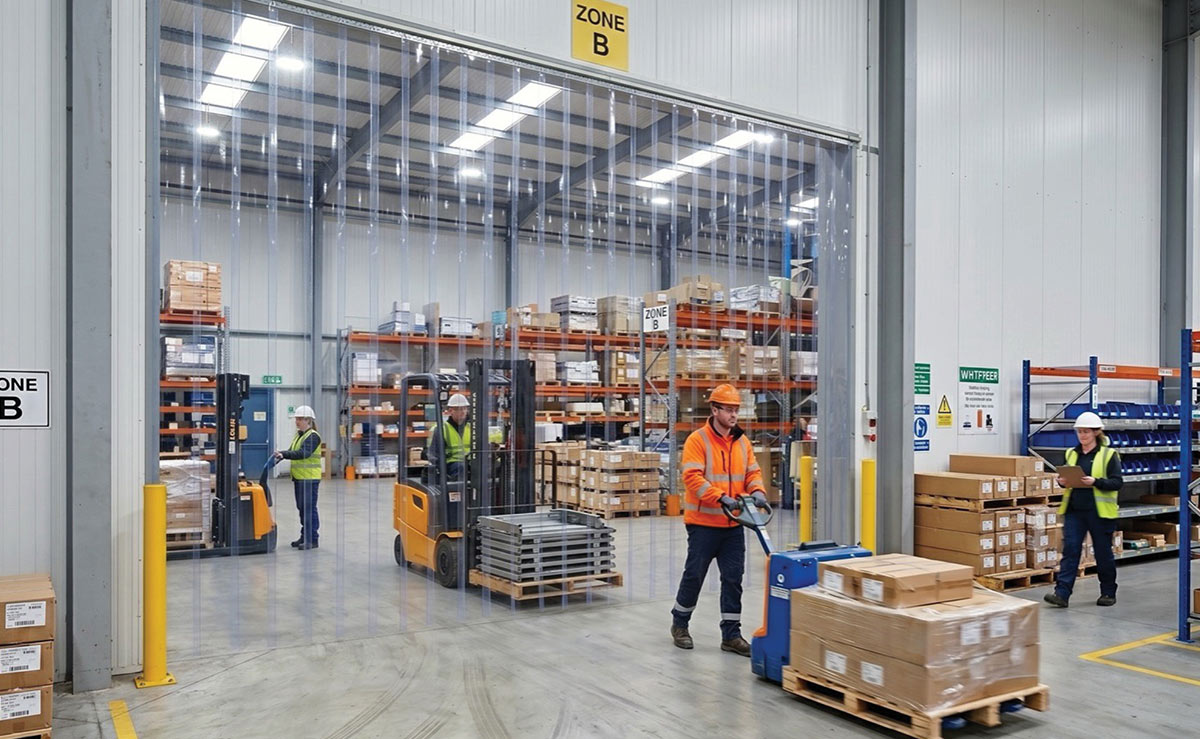
People, forklifts, pallet jacks and products must move continuously between production, processing and storage areas, often crossing spaces with different temperature, sanitation and environmental requirements. Restricting that movement can slow production and create operational bottlenecks.
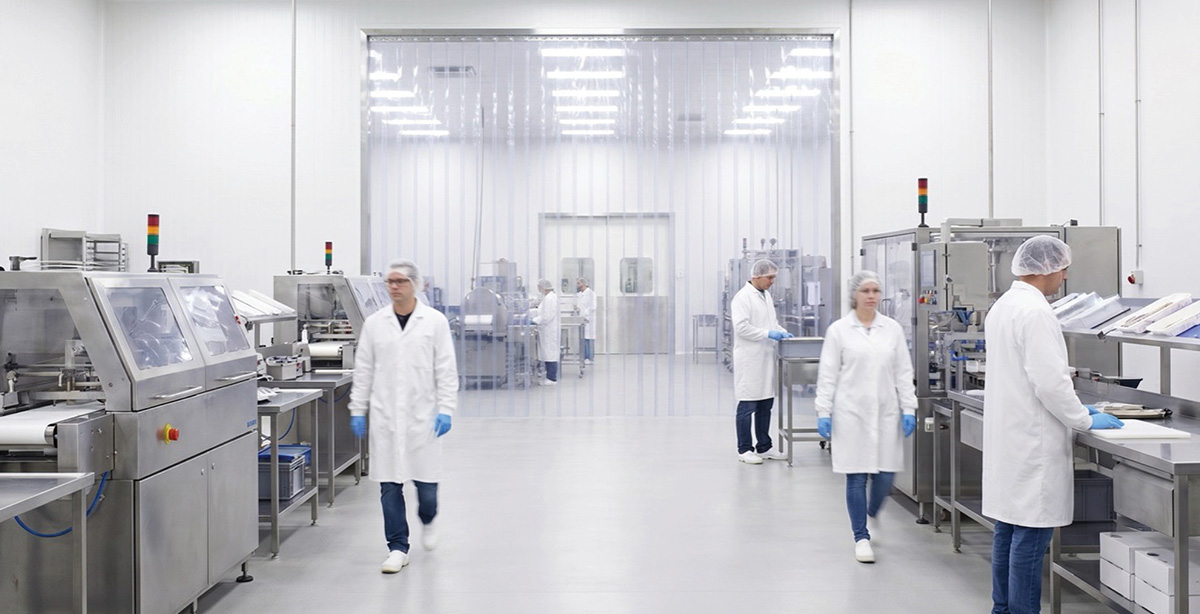
The very movement that keeps a facility productive can also introduce risks that food manufacturers work hard to control. Food safety is often discussed in terms of sanitation procedures, employee training, testing protocols and regulatory compliance. All are critical. Yet one of the most overlooked aspects of food safety is something much simpler: controlling the environment itself.
The ability to separate spaces, maintain temperatures, reduce airborne contamination and manage traffic flow plays an important role in protecting products throughout the manufacturing process.

Raw materials enter through receiving areas. Ingredients move into processing zones. Finished goods travel into packaging areas and eventually into refrigerated storage and distribution facilities.
Each of these environments may have different cleanliness requirements, temperature conditions and operational risks. Dust, moisture, insects, airborne particles and temperature changes can all affect product quality and facility performance. Environmental separation helps create controlled conditions that support food safety objectives. The goal is not to create isolation. The goal is to create control.

Unlike rigid doors that remain either open or closed, strip curtains provide continuous coverage. This continuous separation can help limit the movement of airborne particles between adjacent areas and reduce unnecessary exposure during normal operations.

Every doorway opening allows conditioned air to escape and outside air to enter. Over time, these exchanges can increase energy consumption, place additional strain on refrigeration systems and create temperature fluctuations that affect operations. Strip curtains help reduce air exchange by limiting the amount of open space exposed during traffic movement.
The result is improved temperature retention and greater environmental stability.

Sometimes the most effective solutions are not the most complicated. They are the ones that quietly perform their job every day, helping facilities maintain the conditions that food safety requires.