

The Value of IAPD in a Changing Industry Landscape
IAPD President
alk into any IAPD meeting and you’ll see it right away: our industry is made up of a fascinating mix of companies, from family-owned distributors of different sizes, many that have been around for generations, to publicly traded companies and, more currently, firms backed by private equity. Each of these ownership models bring its own personality, priorities and pressures. Together, they’re shaping where the performance plastics industry is headed, and nowhere is that more evident than in the wave of consolidation we’ve seen in recent years.
So, how do these ownership styles fit together? And what does it mean for the future of plastics distribution and manufacturing? Let’s take a closer look.

That kind of culture is hard to beat. It allows for quick decision-making, flexibility and a sense of continuity that’s deeply valued by both employees and customers. But family businesses also face a challenge: succession. As the next generation considers whether to step into leadership, some families find themselves looking for alternatives, whether that’s selling to another family-owned firm, or partnering with a larger public company.
But with public ownership comes the pressure of Wall Street. Quarterly earnings expectations can drive decision-making in ways that sometimes clash with the slower, relationship-driven approach of privately held competitors. That doesn’t mean public companies don’t value service, it just means their balance sheets are always in the spotlight, and growth often has too come fast.
This model has sped up consolidation across the industry. Private equity can inject resources and discipline into a business, but it also brings a different culture. The focus on rapid growth and efficiency can sometimes feel at odds with the relationship-first mindset that has defined plastics distribution for decades. That said, many PE-backed firms are learning to balance financial goals with the service and trust customers expect.
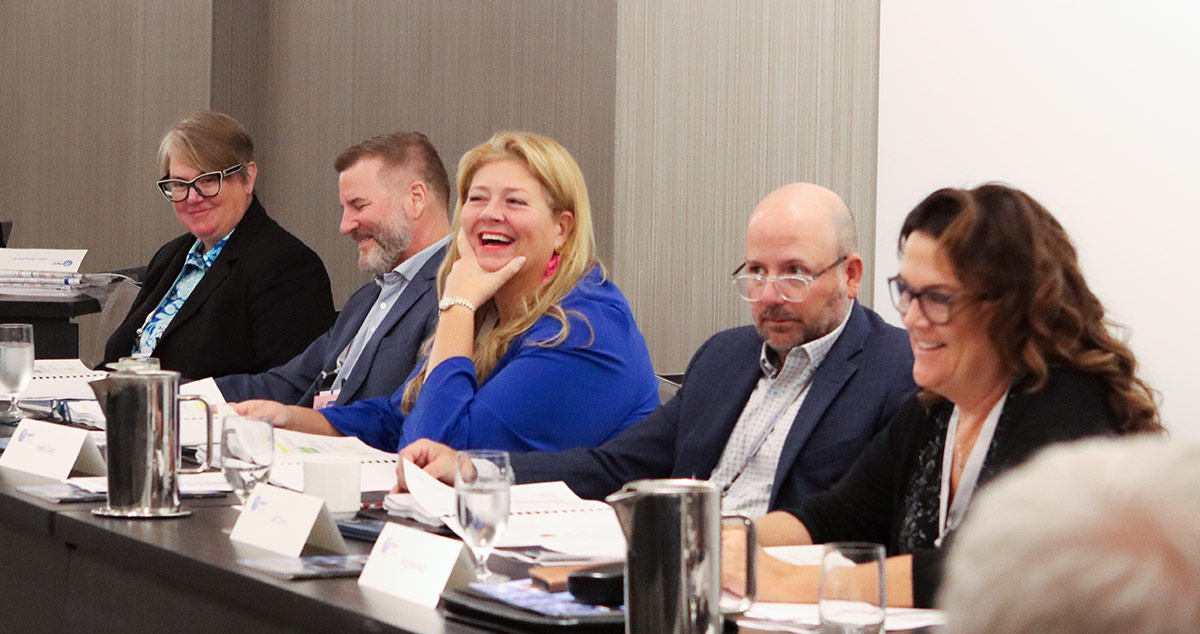
Members of the IAPD Board of Directors met during the IAPD Annual Convention on September 29, 2025, in Chicago, IL USA.
The result is an industry that looks different than it did even a decade ago. There are fewer, but larger, companies operating on a national or even global scale. That brings some benefits: broader product lines, more robust supply chains and stronger negotiating power with suppliers. At the same time, it raises important questions. What happens to the local relationships that smaller, independent firms cultivated so well? Will customers still feel that same personal touch when they’re dealing with a company that’s three times the size it used to be?
As consolidation continues, that balance becomes even more important. The companies that succeed won’t just be the biggest or the most efficient. They’ll be the ones that remember what makes this industry special: trust, expertise and customer relationships built over decades.
For family businesses, IAPD offers resources and connections that help them compete with larger players, including education, training and best practices that can level the playing field. For publicly traded and PE-backed firms, IAPD provides access to the pulse of the industry with a focus on customer needs, regulatory issues, sustainability initiatives and the technical expertise that comes from a diverse membership base.
Most importantly, IAPD fosters collaboration across ownership types. The networking and relationships built through the association remind us that while business models may differ, our shared goal is the same: to grow the performance plastics industry, increase the knowledge of our members and support distribution as the path of choice to the customers. In many ways, IAPD acts as the bridge, ensuring that as consolidation reshapes the market, the spirit of cooperation and knowledge-sharing continues to thrive.