

PlasticsWatch
n a recent report, the Uni-Bell PVC Pipe Association shared findings from a Utah State University (USU) study that benchmarks water main break rates and explores the long-term performance of various pipe materials.
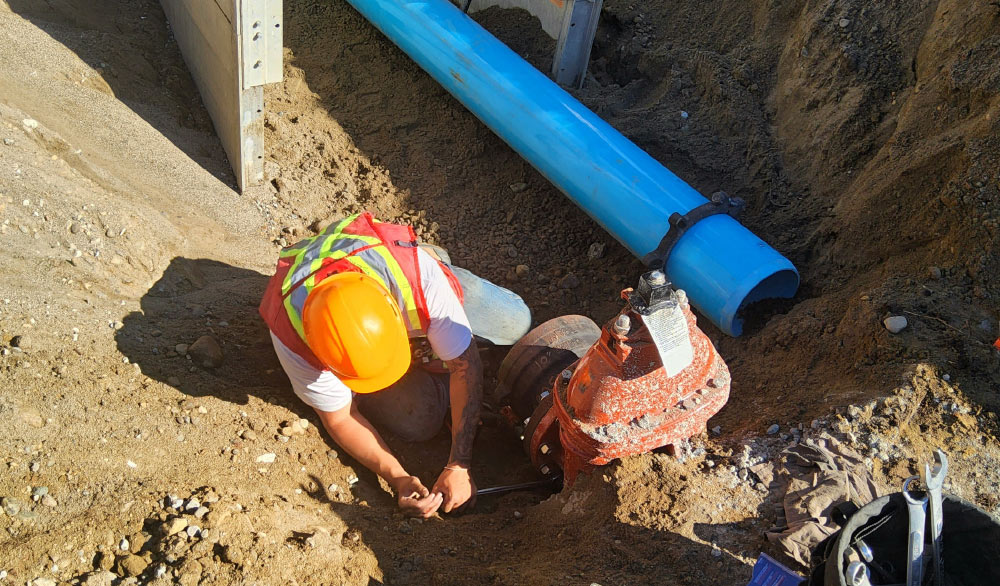
Shutterstock
On average, water mains in operation are roughly 53 years old, with 33% exceeding 50 years in age.
Some 20% (about 452,000 miles) of existing water mains have passed their useful life and require replacement — yet many remain in service due to funding shortfalls.
Among different pipe materials evaluated, PVC demonstrates the lowest break rate, outperforming cast iron, steel, ductile iron and asbestos cement in many regions.
The shift away from older materials is evident: cast iron and asbestos cement combined made up 41% of installations in 2018 but dropped to about 33% by 2023, while PVC usage climbed by 7%.
The study also notes geography plays a major factor in material selection, and that corrosive soils lead to much higher failure rates—ductile iron in highly corrosive soils fails over six times more often than in low-corrosivity soils.
According to Professor Steven Barfuss, “utilities can use this report to assist with asset management … control operating costs, reduce service level impacts and minimize health risks.”
This report provides valuable benchmarks for municipalities, engineers and policy makers to evaluate long-term infrastructure decisions—especially when comparing performance, lifecycle costs and risk across materials.